
Water Filtration & Treatment Services in Sonora, CA
Clean, soft water throughout your home or business.
J. Hart tests your water, explains what's causing the problem, and installs the right filtration or treatment system for hard water, iron staining, sediment, bacteria, and bad taste.
Fix Hard Water, Iron Stains, and Bad Taste—For Good
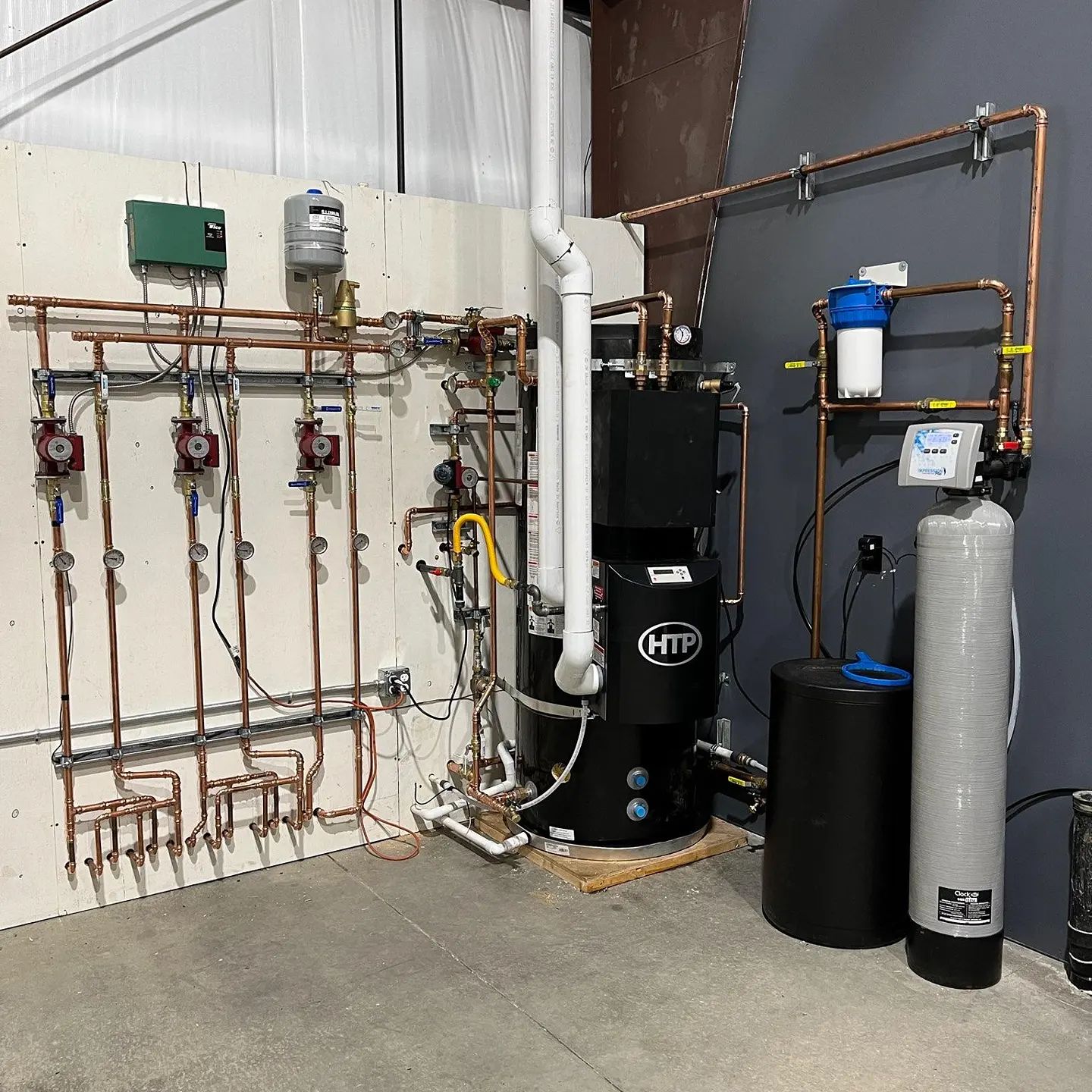
Our Water Treatment Services
Water Softener Installation
- Whole-house water softening systems
- Salt-based and salt-free options
- High-efficiency softeners
- Properly sized for your household
- Commercial softener systems
Hard water causes scale buildup, shortens appliance life, and makes cleaning difficult. We install softeners that actually solve the problem.
Reverse Osmosis (RO) Systems
- Under-sink drinking water systems
- Point-of-use installations
- Multi-stage filtration
- Remineralization options
- Commercial RO systems
Clean, great-tasting drinking water at your kitchen sink. RO removes most dissolved solids and many contaminants for better taste and peace of mind.
Iron & Sediment Filtration
- Iron removal systems (rust staining)
- Sediment filters for well water
- Whole-house filtration
- Automatic backwashing filters
- Multi-media filtration
Orange stains on fixtures? Sediment in your water? We install systems designed for your specific water chemistry.
UV Disinfection Systems
- Ultraviolet water sterilization
- Well water bacteria treatment
- Point-of-entry protection
- Commercial UV systems
- Annual lamp replacement
Kill bacteria, viruses, and microorganisms without chemicals. Essential for well water or areas with water quality concerns.
Whole-House Filtration
- Carbon filtration for chlorine/taste/odor
- Multi-stage whole-house systems
- Combination softener + filtration
- Customized treatment trains
- Commercial building filtration
Comprehensive water treatment addressing multiple issues—hardness, chlorine, sediment, taste, and odor.
Service & Maintenance
- Annual system maintenance
- Salt delivery (we can arrange)
- Filter replacements
- UV lamp changes
- System troubleshooting and repairs
Water treatment systems need regular maintenance to work properly. We keep your system performing efficiently.
What Are You Noticing?
Not sure what you need? Pick the symptom—then we'll confirm with testing and recommend the right solution.
What Most Projects Include
Every system depends on your water test and your usage, but most installations fall into one of these categories.
Water softeners
Whole-house softening sized to your hardness and household use.
RO drinking water systems
Under-sink filtration for clean, great-tasting water at one faucet.
Iron & well-water filtration
Backwashing filters and media sized to iron level, flow rate, and sediment load.
UV disinfection
Point-of-entry UV for well-water bacteria protection (with pre-filtration when required).
Whole-house combinations
Multi-stage setups like sediment → carbon, or iron → softener → carbon, sometimes with UV.
Free Water Analysis & Consultation
We test your water for hardness at no cost—and explain exactly what the results mean. Before starting any project, we recommend a comprehensive outside lab test to establish a clear baseline, including bacteria, lead and other heavy metals, nitrates, pH, iron, manganese, and total dissolved solids. There is a fee for this outside lab test. We will explain both results.
"Showed up earlier than expected, courteous, knowledgeable, explained tankless water heater flushing process. Took a look at my iron filter and spotted a problem with the backflush timer setting, which he adjusted, no charge!"
David Jigour
Tankless Water Heater Flush · 2025
Common Water Quality Problems in Our Area
If you live in Sonora or Tuolumne County, you're likely dealing with at least one water quality issue. Select your problem to learn the solution.
Hard Water
Hard Water (The Most Common Problem)
High mineral content—primarily calcium and magnesium. Measured in grains per gallon (gpg) or parts per million (ppm).
Warning Signs
- White scale buildup on faucets, showerheads, and fixtures
- Spots on dishes and glassware
- Soap doesn't lather well
- Soap scum in tubs and showers
- Dry, itchy skin and hair after showering
- Dingy, stiff laundry (even after washing)
- Water heaters fail prematurely (scale buildup inside tank)
- Reduced water pressure from mineral buildup in pipes
What It Costs You
- Shortened appliance life (water heaters, dishwashers, washing machines)
- Higher energy bills (scale-coated water heater elements work harder)
- More soap and detergent needed
- Constant cleaning of fixtures and glass
- Plumbing repairs from scale buildup
The Solution
A water softener removes calcium and magnesium, giving you soft water throughout your home.
Soft
0–3 gpg
Moderate
3–7 gpg
Hard
7–10 gpg
Very Hard
10–15 gpg
Extremely Hard
15+ gpg
Sonora & Tuolumne County: Typically 8–15+ grains per gallon — hard to very hard. A water softener is recommended for most homes in our area.
Water Treatment Solutions Explained
Here's what each system does and when you need it.
Water Softeners
Water Softeners: Solving Hard Water
How they work
Ion exchange process. Water flows through resin beads that attract and capture calcium/magnesium ions, exchanging them for sodium ions. The result is soft water throughout your home.
Salt-based vs. salt-free
Salt-based softeners (our recommendation)
- Actually remove hardness minerals
- Proven, reliable technology
- Require salt for regeneration
- Need periodic maintenance
- Completely solve hard water problems
Salt-free "conditioners"
- Don't remove minerals—claim to reduce scale formation
- No scientific consensus on effectiveness
- No maintenance or salt required
- Don't provide the same results as true softening
- May help with mild hardness but won't solve serious hard water
Sizing
Based on your water hardness and daily usage. Example: Family of 4 using 300 gallons/day with 10 gpg hardness needs 30,000+ grain capacity.
Sizing & Selecting Water Treatment Systems
One size doesn't fit all. Here's what actually matters.
Water Testing
Start With Water Testing
Municipal water
Request a water quality report from your water district. Shows hardness, chlorine, minerals, and contaminants.
Well water
Professional lab testing required.
Basic test ($50–$100)
Covers hardness, iron, pH, TDS.
Comprehensive test ($150–$300)
Includes bacteria and more parameters.
We can arrange testing or work with your existing results to recommend proper treatment.
Water Treatment Maintenance
Water softeners
- Add salt periodically (every 1–2 months depending on usage)
- Annual brine tank cleaning
- Check settings and salt level
- Occasional resin cleaning (iron buildup)
Reverse osmosis
- Replace sediment/carbon filters annually
- Replace membrane every 2–3 years
- Sanitize system during filter changes
Iron filters
- Media backwashes automatically (no action needed)
- Replace media every 5–7 years
- Check timer settings periodically
UV systems
- Replace UV lamp annually
- Clean quartz sleeve 1–2 times per year
- Check power supply
Carbon filters
- Replace cartridges every 6–12 months depending on usage and chlorine levels
Commercial Water Treatment
We design and install water treatment systems for commercial spaces—so your water stays consistent, your fixtures stay cleaner, and your operation runs smoother.
Why Choose J. Hart for Water Treatment?
We don't sell the same system to everyone. We solve your specific water quality problems with properly engineered solutions.
Properly sized systems
Based on your water chemistry and usage.
Honest recommendations
We solve your problems, not oversell.
Quality equipment
Reliable brands built to last.
Professional installation
Tested and verified before we leave.
Service & maintenance
We support what we install.
Trusted by Your Neighbors
Brad and Adam were so conscientious and so knowledgeable. They took the time to explain how best to deal with our softener system. They were very pati…
Brian installed and has been servicing my water heater for almost 20 years! Brian is always prompt and puts his best effort to address and fix any iss…
Showed up earlier than expected, courteous, knowledgeable, explained tankless water heater flushing process. Took a look at my iron filter and spotted…
Frequently Asked Questions
Most of our service area has hard to very hard water, typically 8–15+ grains per gallon. A water softener is recommended for most homes. We test your water hardness for free.
If you're seeing scale buildup, spots on dishes, dry skin, or shortened appliance life, yes. A softener prevents damage and saves money long-term. We'll test your water and show you the numbers.
Typically 40–80 lbs per month (about 1–2 bags), depending on water hardness and household usage. High-efficiency softeners use less.
No. Softened water doesn't taste salty. The amount of sodium added is minimal. If taste is a concern, an RO system at the kitchen sink gives you mineral-free drinking water.
Yes, softened water is safe to drink. The sodium content is low. For those on sodium-restricted diets, an under-sink RO system removes the added sodium.
Water softeners: 15–20 years. RO systems: 10–15 years. Iron filters: 10–15 years. UV systems: 10–15 years.
Softeners need salt and occasional cleaning. RO systems need annual filter changes. Iron filters backwash automatically. UV lamps are replaced yearly. We offer maintenance service or teach you to handle the basics.
RO systems use 2–4 gallons of water per gallon of filtered water produced. Modern systems are more efficient. Softeners use water during regeneration. Overall water usage increase is modest.
Softeners can handle very low iron levels (under 1 ppm). For higher iron, you need a dedicated iron filter installed before the softener. We test and recommend the right combination.
Basic under-sink RO systems can be DIY if you're comfortable with shutoff valves, fittings, and leak-checking. Whole-house systems (softeners, iron filters, UV, etc.) are best professionally installed—sizing, sequencing, and installation mistakes can cause poor performance, leaks, or warranty issues.
Ready to Schedule?
We'll Call You Back Fast.
Fill out the form and we'll reach out to confirm your appointment. No holding, no runaround — just a real person who knows your trade area.
- Same-day appointments available Mon–Fri
- Upfront pricing — no surprises after the fact
- CA Lic #459194 · NV Lic #77957
- Hours: 7:30 AM – 4:00 PM, Mon–Fri